
ERC METAL Project – Understanding Terrestrial Planet Formation
The METAL project (Making tErresTriAl pLanets) aims to study the accretion and differentiation processes that shaped the current composition of Earth, the Moon, Mars, and other differentiated asteroids. We use advanced isotopic tools to understand the origin of volatile and siderophile elements in the solar system. This project, coordinated by Frédéric Moynier at IPGP, is a European partnership pushing the boundaries of cosmochemistry.Scientific Publications
Access our scientific publications to discover the latest advances in cosmochemistry, isotopic analysis, and dynamic modeling.
The parent bodies of Ryugu and Ivuna formed before those of other carbonaceous chondrites
Journal: Science
2026The origin of Cretaceous-Palaeogene impactor revealed by nickel isotopes
Journal: Science Advances
2026Generation of carbonated peridotite melts via biogenic sediment recycling in modern subduction zones
Journal: Science Advances
2026Heavy potassium isotopes in carbonatites reveal oceanic crust subduction as the driver of deep carbon cycling
Journal: Science Advances
2025Heavy potassium isotopes in carbonatites reveal oceanic crust subduction as the driver of deep carbon cycling
Journal: Science Advances
2025A whole-scale volatile-depleted lunar interior
Journal: Proceedings of the National Academy of Sciences of the United States of America
2025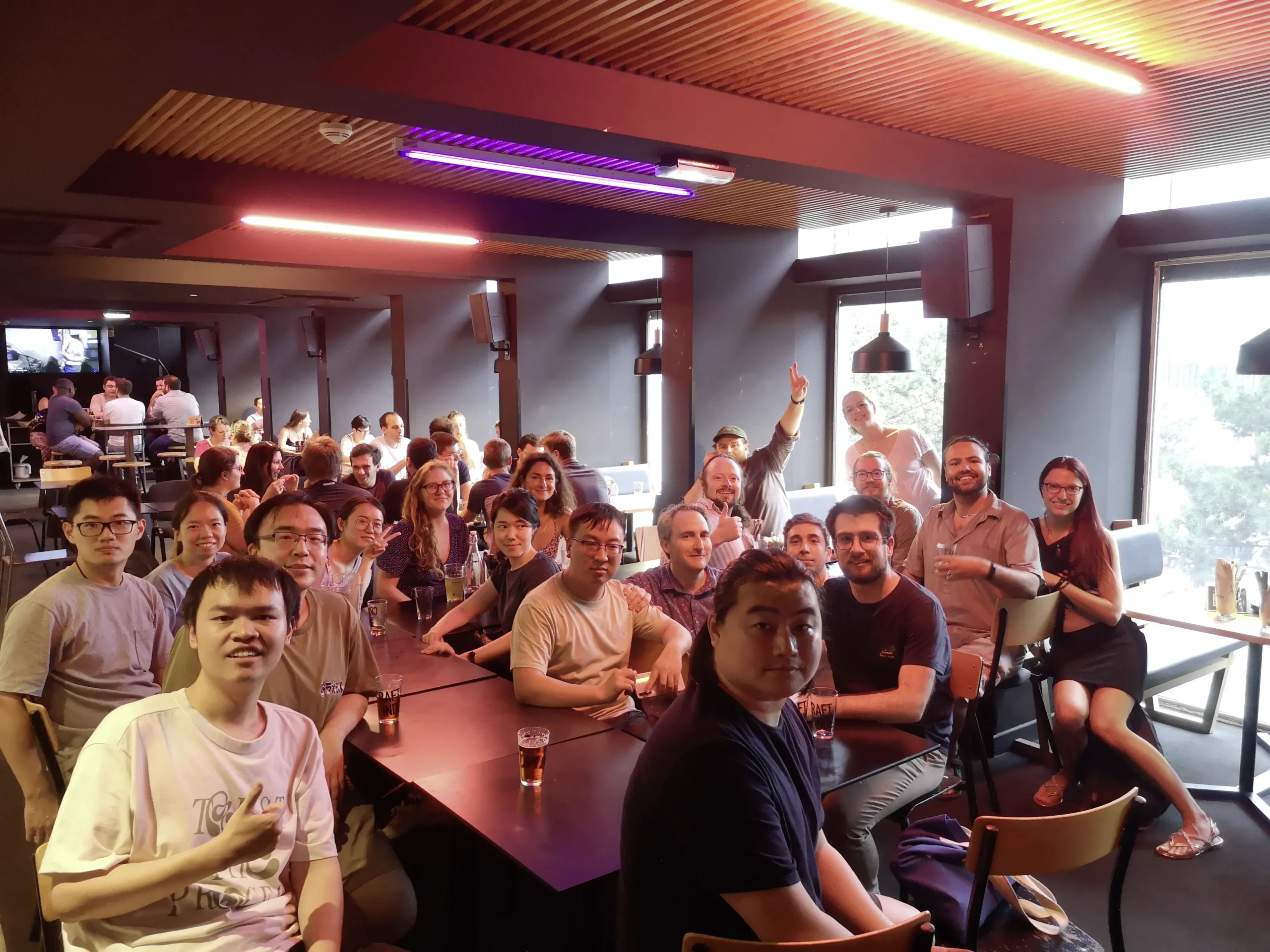
People
Meet the participants of the METAL project, experts in cosmochemistry and planetary sciences working together to uncover the secrets of terrestrial planet formation.
Visual Highlights
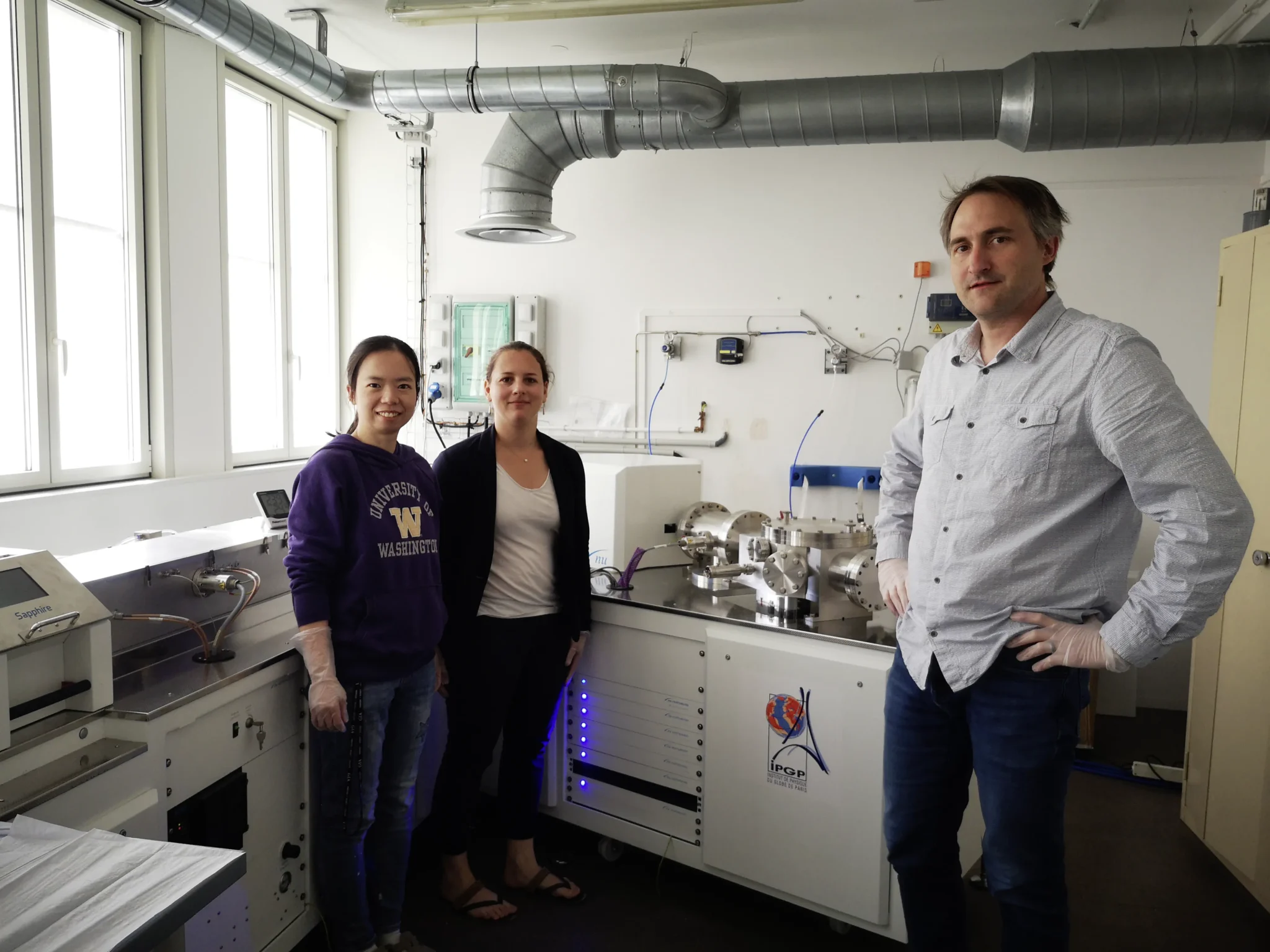
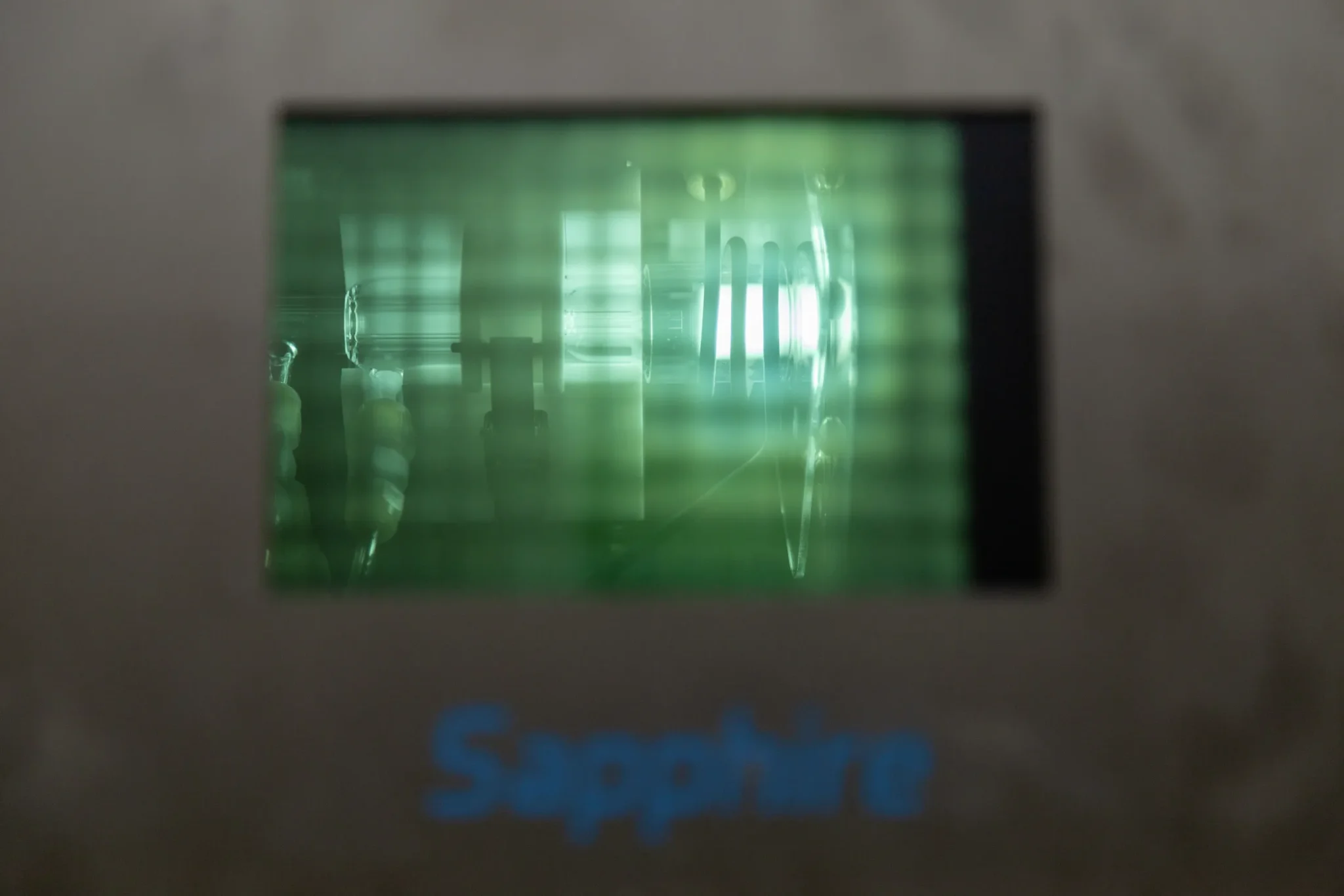
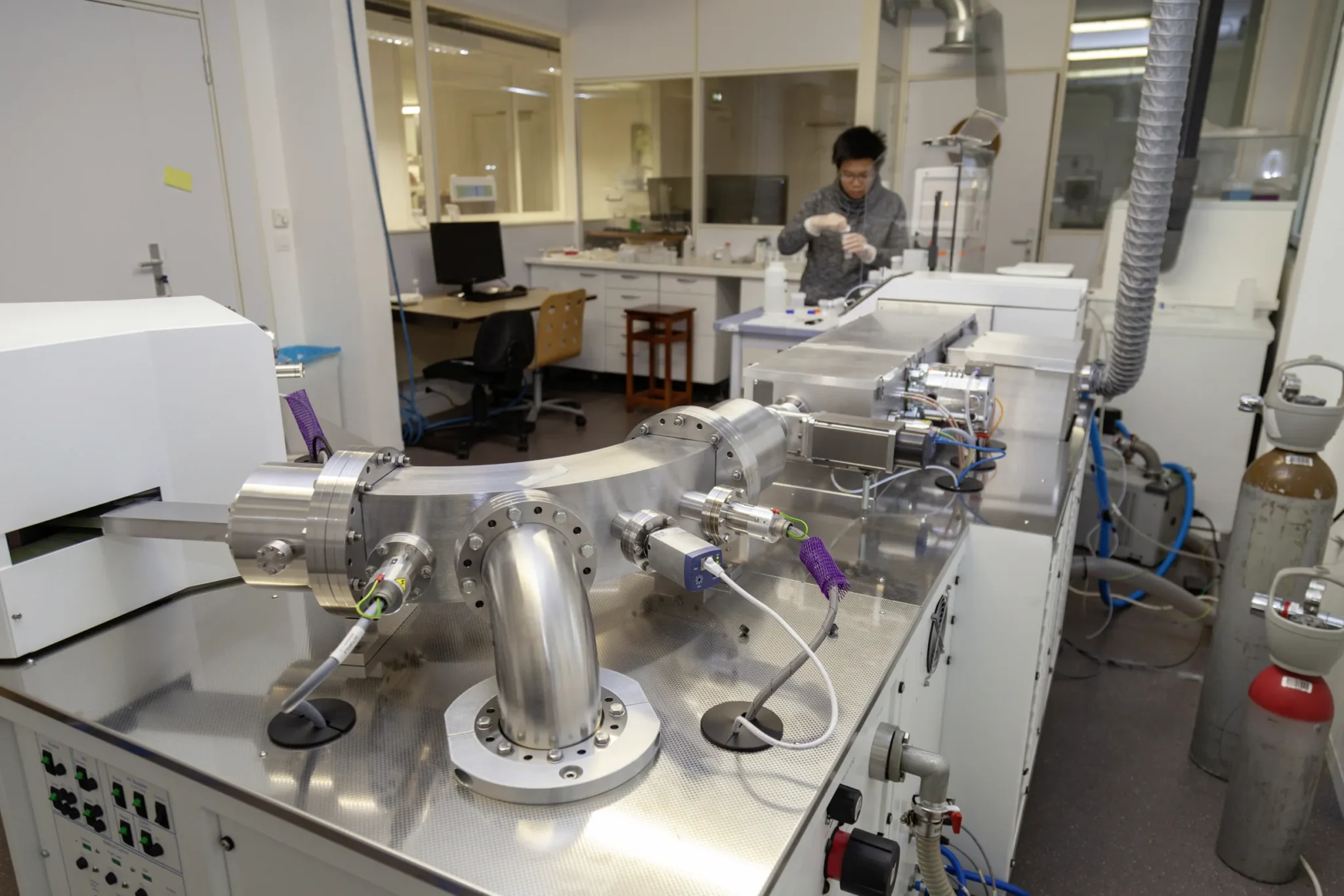
Explore our Visual Highlights, featuring images of scientific instruments and analysis results illustrating the complex processes of planetary formation.

News and Events
Stay updated with the latest news from the METAL project, including scientific honors, collaborations, and major events.